How To Stop Nicotine Cravings and Take Back Control of Your Life
You’ve made the incredible choice to quit smoking. That is a decision worth celebrating! Quitting can be a challenge, and…
You’ve made the incredible choice to quit smoking. That is a decision worth celebrating! Quitting can be a challenge, and nicotine cravings can be a major hurdle to overcome your addiction for good. Knowing how to deal with nicotine cravings, understanding triggers and preparing coping strategies can help reduce urges and maintain a smoke-free lifestyle. Here are some practical tools, lifestyle changes and alternative approaches for fighting cravings and giving up nicotine for good.
Understanding Nicotine Cravings
Nicotine is a highly addictive substance, and the science behind it is unsettling. When inhaled, nicotine reaches the brain in less than 20 seconds, faster than almost any other drug. That’s why nicotine is so addictive. It triggers a rush of dopamine, which makes you feel good for a moment, but then quickly leads to dependence.
Cravings are a normal part of quitting and typically last only a few minutes. The key is to find ways to cope when the cravings hit, and to find other ways to satisfy the cravings when they arise. Effectively dealing with cravings is a matter of recognizing the cause, staying prepared with coping strategies, and responding in ways that reduce urges and support a smoke-free routine.

Understanding Nicotine Withdrawal
It is also important to be aware that your body is going to go through nicotine withdrawal. When you stop using nicotine products, your body needs time to adjust. Withdrawal is a sign your body is healing, so don’t let it stop you from quitting tobacco or nicotine.
It’s important to remember that every craving you get through is a win, and withdrawal won’t last forever! For most people, it can start within a few hours of quitting, peak around the third day and last for a couple weeks or up to a month.
Nicotine is the addictive chemical in cigarettes, vapes, dip and other tobacco products. Just like with other addictive chemicals, your body needs to get used to life without it when you quit. The longer you stay nicotine free, the better you will feel. Cravings may come and go after that, but they get easier to handle. Just remember that every day without nicotine is a step toward feeling better.
Identifying Your Triggers
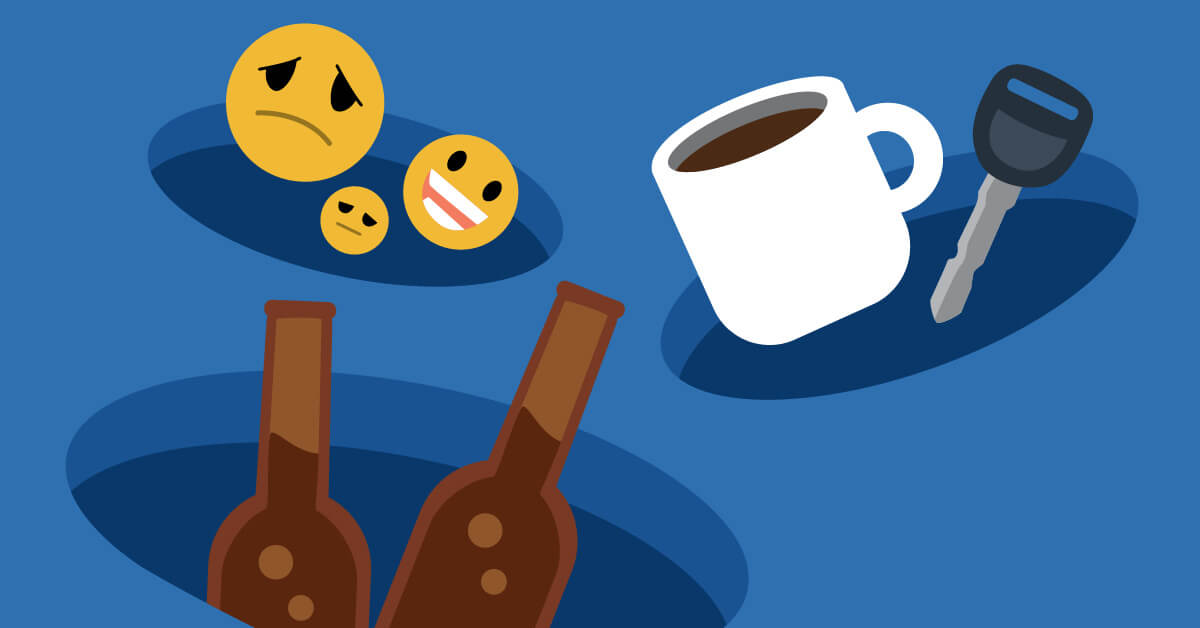
Nicotine cravings often happen in response to habits, emotions and social situations that developed while you were a smoker. Understanding and tracking these triggers can help you anticipate urges before they occur. It’s helpful to think about nicotine triggers in three main categories: Emotional Triggers, Routine Triggers and Social Triggers.
Emotional Triggers
- Stress and anxiety: Reaching for nicotine to calm down or cope with hard moments.
- Boredom or sadness: Using nicotine to fill empty time or lift a low mood.
- Excitement or anger: Associating big feelings with the habit of puffing.
Routine and Pattern Triggers
- Morning coffee: Pairing your first cup of the day with nicotine.
- Driving: Lighting up during a daily commute or road trip.
- After meals: Finishing food and immediately wanting a smoke or vape.
- Work breaks: Using nicotine to step away or socialize on the job.
Social Triggers
- Being around others: Hanging out with friends who smoke or vape.
- Parties and bars: Drinking alcohol in social spots where nicotine is present.
- Seeing nicotine: Spotting a pack, a lighter or someone else using nicotine.
Once you know your triggers, the next step is having a plan ready for when they hit. For even more ideas, check out How To Stop Cigarette Cravings and Stay Smoke Free.

How To Stop Nicotine Cravings: Using the 5 Ds
Cravings typically only last a few minutes. When cravings flare up, it is helpful to find ways to distract yourself and provide another outlet for satisfying your craving. It is also beneficial to find a supportive person who can help overcome urges. Smoke-free buddies at work, home or social situations are a valuable tool in helping you overcome cravings in the moment. Think of these strategies as the 5 Ds: Delay, Distract, Deep Breathing, Drink Water and Discuss. Here’s how each one works.
Delay
This first strategy can be tough, especially early on, but learning to wait five to ten minutes before acting on the urge to smoke often allows the craving to pass naturally. Engaging in mindfulness activities such as journaling or thought exercises can help you notice how your cravings change or even fade over time. Take a few minutes to remind yourself of recent successes, like going a full day without smoking. Use these moments of pause to celebrate yourself!
Distract
Sometimes, simply taking your mind off the craving can help you manage urges. Taking a short walk, stretching or even doing a few simple yoga poses may be all it takes to weather the storm of a craving. The goal is to find quick tasks that take your mind off the craving and engage your attention for a few moments while the urge to smoke passes. For some people, even the act of listening to your favorite song is enough to curb smoking cravings until the moment passes.
Deep Breathing
Breathing exercises are great for your mind and body for a number of reasons. Taking low, controlled breaths can calm your mind, clear your thoughts and even reduce stress. Take a few slow, deep breaths in through your nose and out through your mouth. You’ll feel your body start to relax. Those few short seconds of breathing may be all it takes for a craving to subside. If needed, repeat the cycle a few times.
Drink Water
Sipping water or other healthy beverages can satisfy oral cravings, give your hands and mouth something to do and redirect attention from the urge to smoke. It may be a good idea to keep a water bottle nearby at home or work for quick access. Want to change it up a bit? Try sipping on an herbal tea like peppermint or chamomile for extra relaxation.
You can also try combining sipping water with a mindfulness practice by sipping slowly and noticing the taste and temperature of your beverage. This will serve to relax your mind and distract you from the craving.
Discuss
Talking with a friend, a support group or Helpline Coach can provide encouragement and accountability when it comes to fighting cravings. If you have a trusted family member, partner or friend, consider calling or texting them when cravings hit. Finding someone to share in your struggle is a huge emotional support, and FREE Coaching is available from the Helpline 24/7.
Nicotine Replacement and Support Options
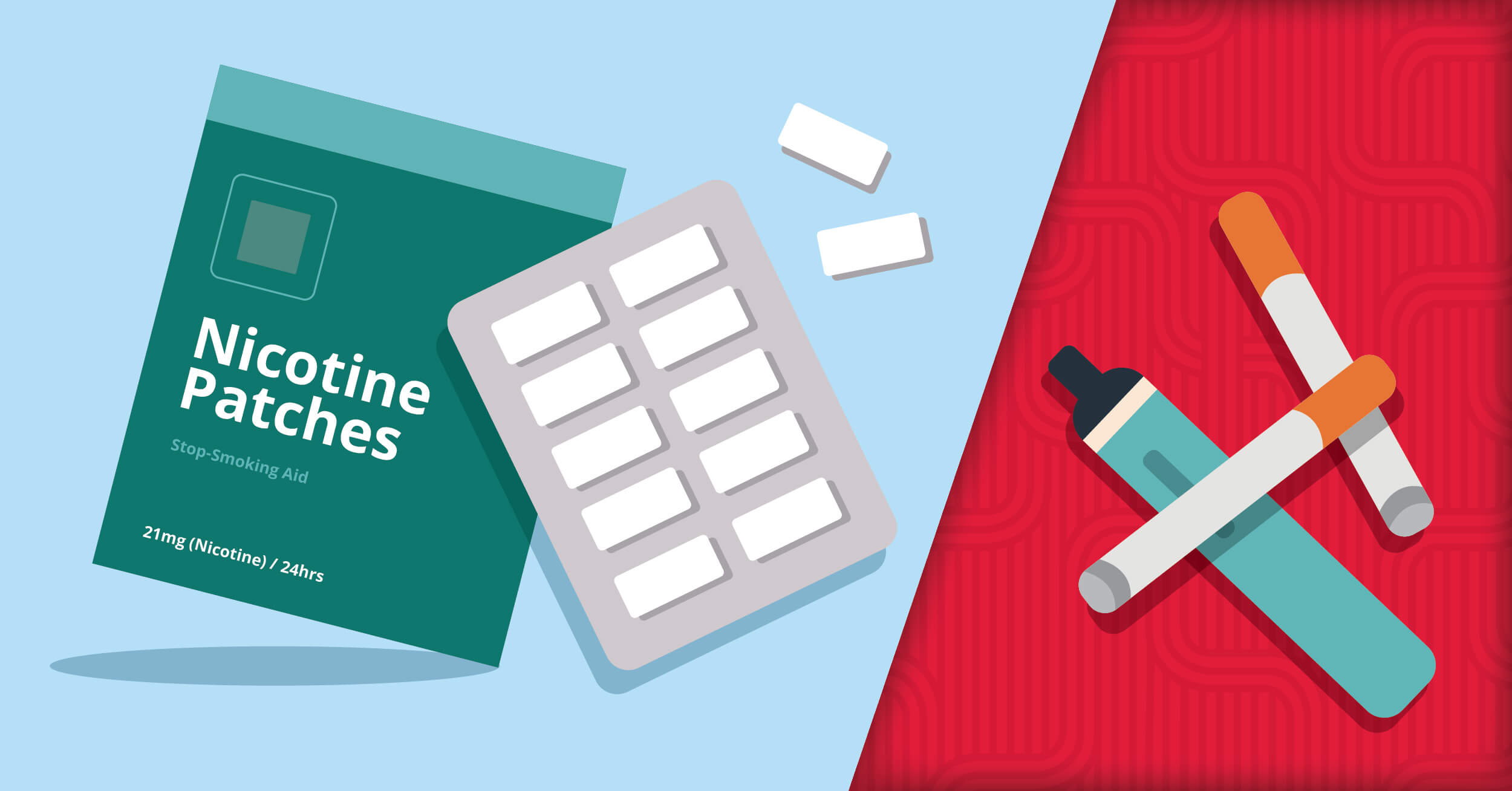
Nicotine replacement therapy (NRT) is any product designed to help you quit tobacco by providing controlled amounts of nicotine without the harmful chemicals found in cigarettes and other tobacco products. NRTs can help manage cravings and withdrawal symptoms as you work toward a tobacco-free life. Think of them as your training wheels or safety net! It’s not about trading one form of nicotine for another; it’s about giving yourself a safe and supportive jumpstart.
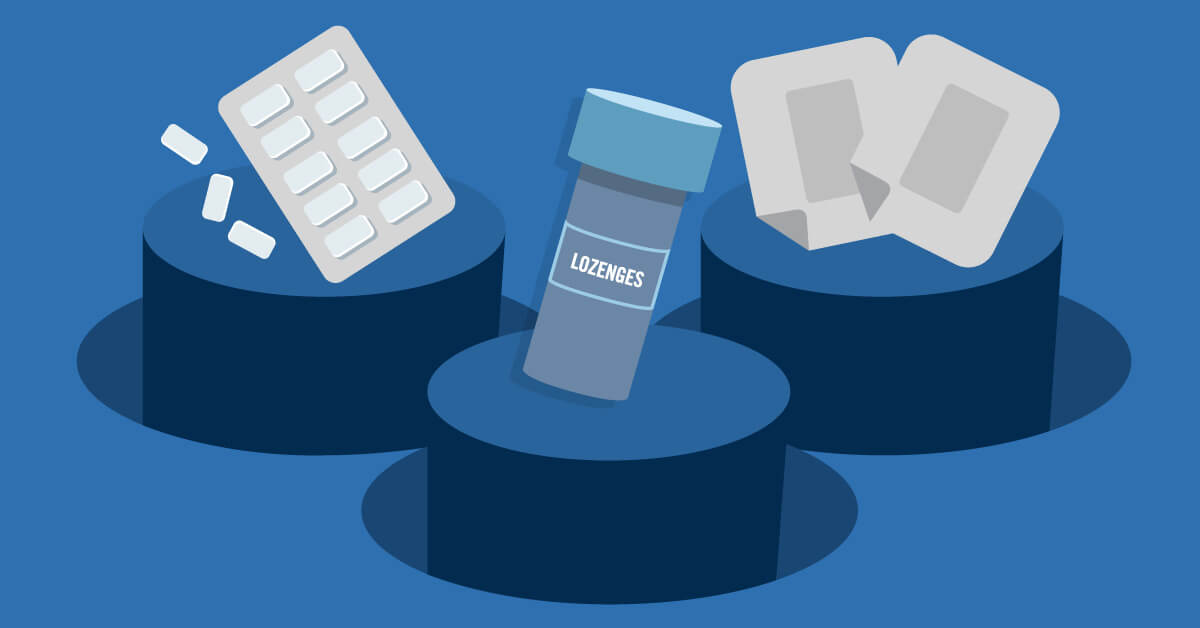
At the Oklahoma Tobacco Helpline, we offer three types of nicotine replacement therapy for FREE: patches, gum and lozenges. Let’s break them down:
- Patches are discreet and stick to your skin. They offer a slow, steady release of nicotine, silently soothing your nicotine cravings. These are ideal for people who work long hours or are looking for long-lasting support. Depending on the answers from your questionnaire, your Coach will help determine the starting dose before safely and gradually reducing it.
- Gum helps when sudden, unexpected cravings hit. It quickly nips them in the bud while also distracting your mouth — a one-two punch.
- Lozenges fight cravings from the inside out. Pop one in your mouth and let it dissolve slowly. As it melts, it releases nicotine that’s absorbed through your mouth. Lozenges are great for those times when you can’t chew gum (like during a meeting) but need to tackle a craving.
When designing a Quit Plan, your Coach can help you find the nicotine replacement therapy that works for you.
Staying Smoke Free and Managing Cravings
You have the power to stop nicotine cravings with a little preparation, some grace for yourself, and the support from those around you. Remember, cravings are temporary and a sign that your body is healing. Deciding to quit is the hard part. The Oklahoma Tobacco Helpline makes the rest a little easier with FREE Coaching, text support and a supply of patches, gum or lozenges. No matter where you’re starting from, we’re here to help you get there.
Give us a call at 1-800-QUIT NOW.
When you call the Helpline, you’ll speak with a registration specialist who will ask some basic questions and take your information — including a mailing address for your patches, gum or lozenges.
Once your information is entered, you’ll be transferred to a Coach who will help build your Quit Plan with you. If you don’t have time for a Coach call, you can request a call later. See how a Coach can help build your Quit Plan.
No matter how long you’ve been using tobacco, it is possible — and worth it — to quit. We would be honored to be part of your quit journey.