The Benefits of Quitting Smoking
If you smoke, you probably know (or have heard) that quitting tobacco can improve your health. However, that doesn’t mean…
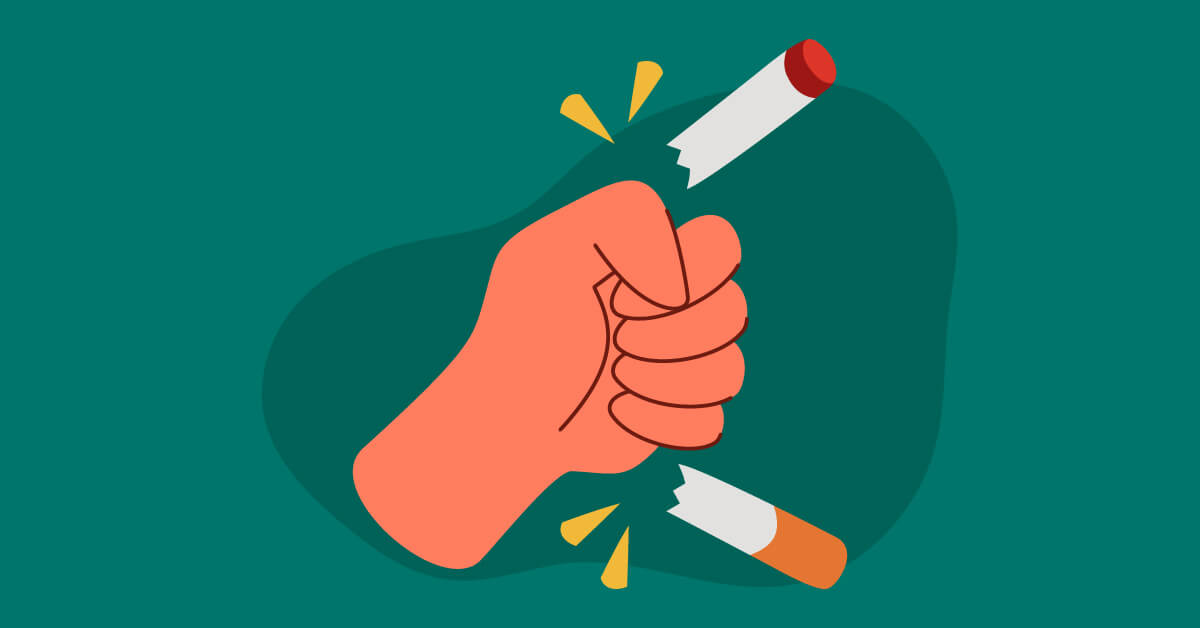
If you smoke, you probably know (or have heard) that quitting tobacco can improve your health. However, that doesn’t mean it’s easy to break through nicotine addiction. Whether you’ve tried to quit before or are thinking about quitting for the first time, the benefits of quitting smoking are numerous, and some of them start right away.
Here are a few of the benefits of quitting smoking.
Your Health Will Improve
Smoking can have several long- and short-term effects on your health. From an improved heart rate to a decreased risk of developing Type 2 diabetes. It can feel daunting, but only 20 minutes after you quit, your health starts improving. Here’s a breakdown of how your body responds to quitting smoking.
Benefits of Quitting Smoking Timeline
The benefits of quitting smoking start right away. Here’s what happens to your body when you quit:
20 Minutes After Quitting |
|
1 Day After Quitting |
|
1 Week After Quitting |
|
2–12 Weeks After Quitting |
|
1–9 Months After Quitting |
|
1 Year After Quitting |
|
5 Years After Quitting |
|
10 Years After Quitting |
|
15 Years After Quitting |
|
Your Mental Health Will Improve
Many tobacco users start using the products to ease their stress. However, tobacco and nicotine can actually make mental health worse. While a cigarette may temporarily relieve symptoms of anxiety and depression, its addictive nature leads to increased issues over time.
The benefits of quitting smoking can have on your mental health include:
- Reduced stress levels
- Less frequent anxiety
- More stable moods
- Better sleep quality
You’ll Save Money
Depending on how much you smoke each day, the cost of cigarettes can add up fast. The average cost of a pack of cigarettes is around $8. If you smoke one pack per day, you could save over $200 each month you’re tobacco free. It doesn’t take long for that to add up. See how much you could save with our cost of tobacco calculator.
However, the savings go beyond the cost of cigarettes. If you smoke, other expenses like health insurance, home or renters’ insurance, dental work, air fresheners and cleaning supplies result in significant additional expenses.
If you’re thinking about quitting smoking, think ahead about how you can use those savings. That money could be used for:
- A family vacation
- Home improvements
- Emergency savings
- Your kids’ hobbies or education
- New hobbies or experiences
The savings are just one of many benefits of quitting smoking. 
Every Day Will Feel a Little Better
Quitting smoking doesn’t just help your health and wallet. It makes your whole life better.
You’ll have more energy and strength. When you smoke, your body doesn’t get enough oxygen. This makes you feel tired and weak. After you quit, your energy levels go way up.
You’ll be able to:
- Play with kids or grandkids longer
- Get active the way you want
- Do daily tasks without getting tired
- Work longer without feeling worn out
You’ll get better sleep. If you currently smoke and have trouble sleeping, nicotine may be what’s keeping you up at night. Plus, a cigarette may be the first thing you want in the morning.
When you quit, you’ll likely:
- Fall asleep easier
- Sleep through the night
- Feel more rested in the morning
- Have more energy during the day
You may feel more confident in your appearance. Smoking can have an impact on your skin, hair and nails.
When you quit:
- Your teeth may be whiter
- Your hair may smell better
- Your clothes and home won’t smell like smoke
- Your breath is fresher
- Your fingers lose the yellow nicotine stains
You’ll have more time with family and friends. Your life right now may include a lot of smoke breaks or time spent thinking about cigarettes.
After you quit, you’ll have more time for:
- Quality time with family and friends
- New activities
- Tobacco-free social events
How the Oklahoma Tobacco Helpline Can Support You
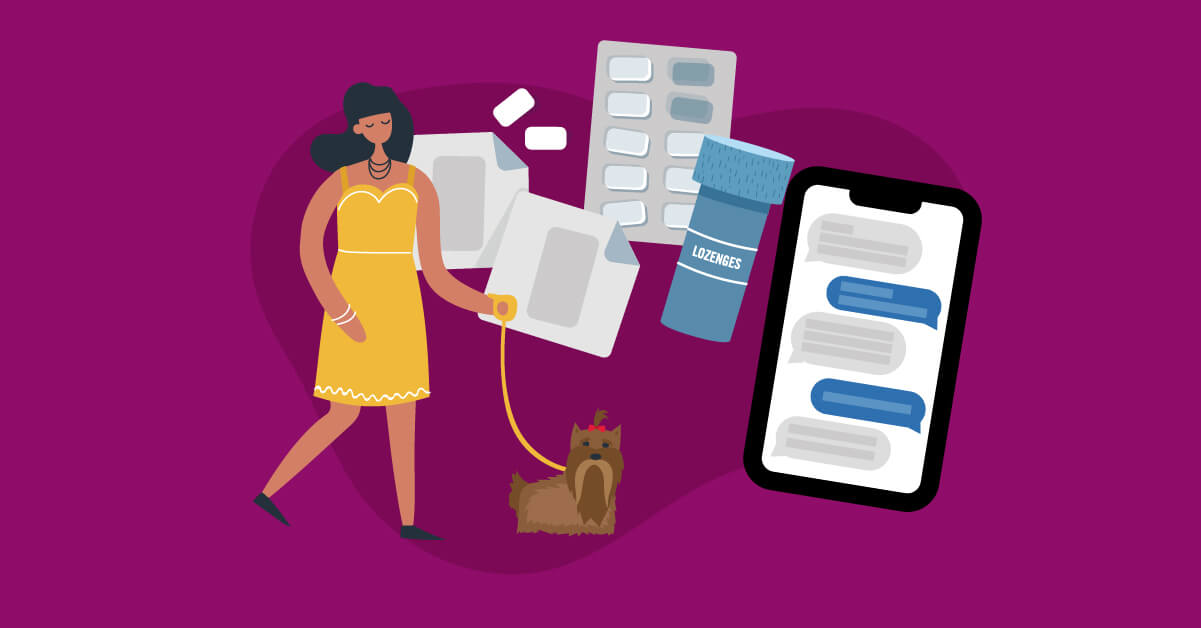
You don’t have to quit smoking alone. The Oklahoma Tobacco Helpline offers FREE support to help you every step of the way, including:
- Coach support: Work with a Coach who understands how hard it is to quit smoking. Your Coach can help you make a personalized quit plan, give you tips to deal with cravings and triggers, celebrate your successes and support you through tough times or slip ups. They’re not here to judge, just here to help.
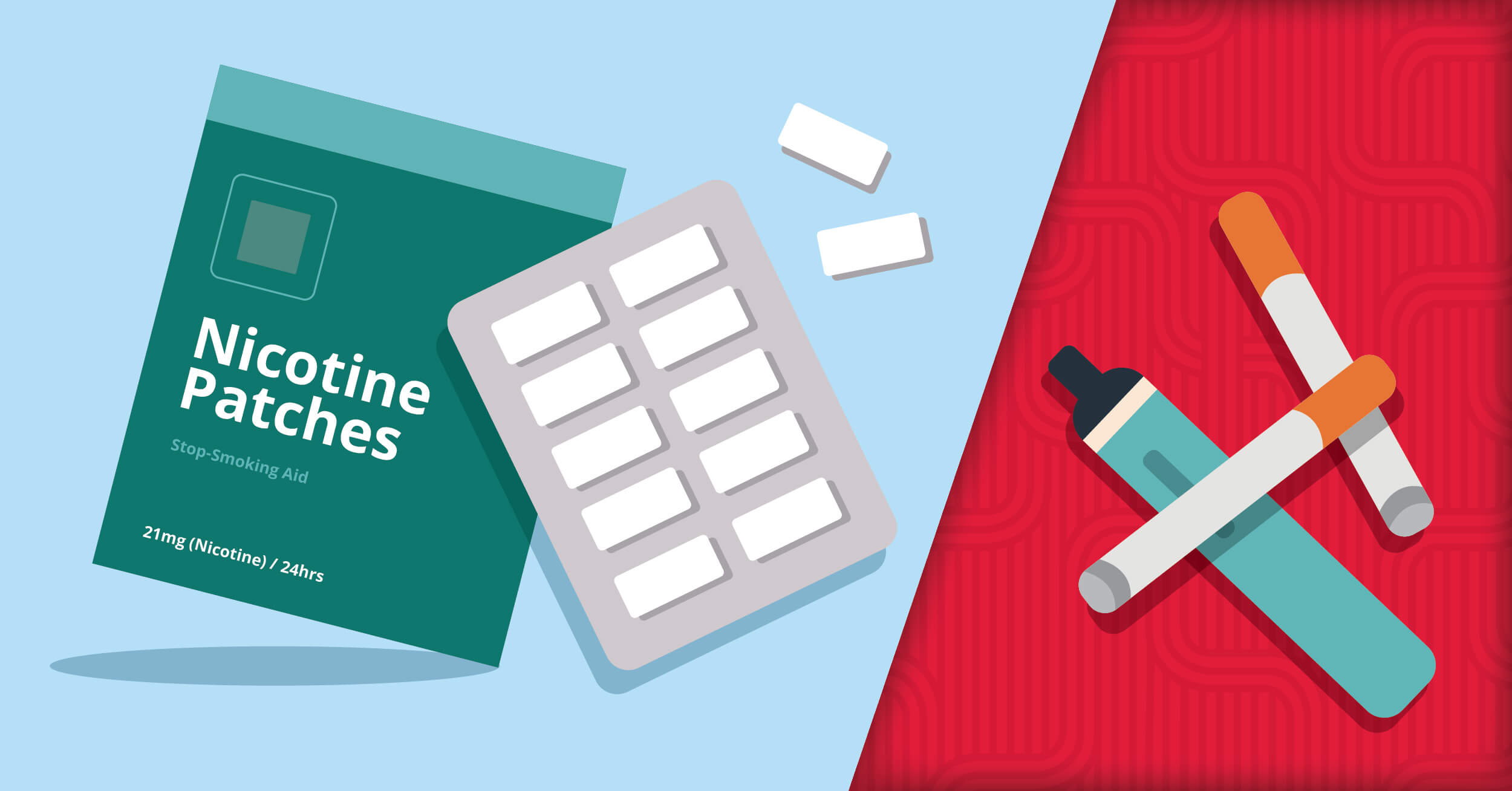
- Patches, gum or lozenges: Nicotine replacement therapy helps you get through nicotine cravings safely while helping you step down over time. Patches can soothe cravings over long periods of time, while gum and lozenges can quickly stop cravings in their tracks.
- Live online group sessions: Meet with others who are quitting to share advice, quit tips and motivation.
- Texts and emails: Supportive messages are the little things that can help you get through the day.
How To Deal With Symptoms of Withdrawal When Quitting Smoking
When you quit smoking, your body will need time to adjust. It’s natural! Yes, nicotine withdrawal is real, but don’t let it be what stands in between you and the benefits of quitting smoking.
Common withdrawal symptoms include:
- Feeling irritable, angry or grumpy
- Having trouble concentrating
- Feeling anxious, restless or nervous
- Strong cravings for tobacco
- Feeling hungrier than usual
- Having trouble sleeping or strange dreams
- Feeling sad or depressed
- Headaches
- Feeling tired or having no energy
These symptoms are normal and mean your body is healing from nicotine addiction. Nicotine withdrawal is different for everyone, but usually strongest during the first few weeks after quitting. It fades the longer you are smoke free, with some symptoms lasting more than a month.
Tips for Managing Withdrawal
When You Have Strong Cravings
Take deep breaths and remind yourself that cravings only last a few minutes. If they linger or get worse, drink water and grab a healthy snack to make sure you’re not confusing cravings with hunger or thirst. Nicotine replacement therapy (patches, gum or lozenges) is also here to ease cravings.
When You Feel Irritable or Grumpy
Get some light exercise. Go for a short walk or get active in your living room to boost your mood. If you need an extra lift, take a shower or bath and focus on your self-care.
When You Can’t Sleep
Make your bedroom as cool and as dark as possible to try to get some shut eye. In the future, start avoiding caffeine in the evenings and limit looking at your phone or tablet before bed to help you relax.
When You Feel Anxious or Nervous
Talk with someone you trust. Reach out to your Coach or talk with a friend or family member who knows what you’re going through.
The benefits of quitting smoking are real and are more achievable than you may realize. Every minute you don’t smoke, your body begins to heal. Every day you live tobacco free you get stronger and healthier. You can do it. Sign up to get started.