What To Do Instead of Smoking When Stressed
Making the decision to quit smoking is one of the most important decisions you can make for your health, your…
Making the decision to quit smoking is one of the most important decisions you can make for your health, your family’s health and for your quality of life. Life is a bit of a roller coaster, full of ups and downs, and stress has a way of creeping into our daily lives, triggering nicotine cravings.
Having a plan for what to do instead of smoking when you are stressed can help reduce cravings, improve mood and make it much easier to avoid turning to cigarettes. Explore these practical techniques for relaxation, physical activity, mindfulness and daily habits to more effectively avoid stress and quit tobacco for good.
What To Do When Stressed Instead of Smoking
Replacing smoking with healthier coping strategies is crucial for a happy and healthy future.
There are a number of mental, physical and even social approaches to managing stress to reduce tension and prevent cravings.
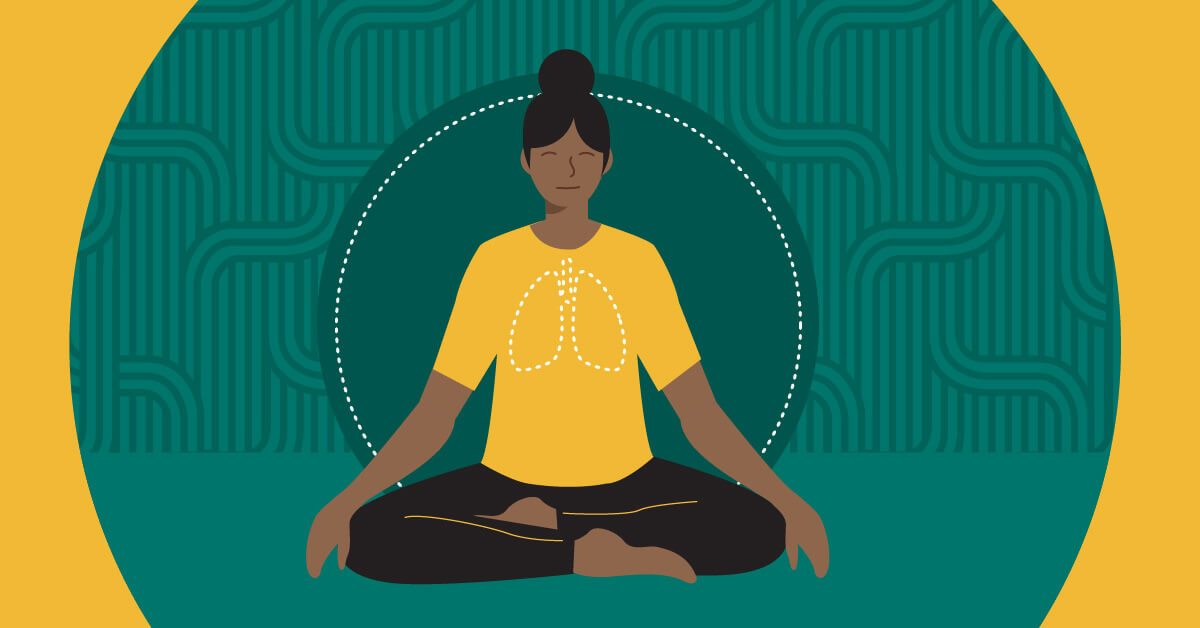
Breathing and Relaxation Techniques
There are many daily practices that take only a few minutes but can go a long way in helping manage stress and avoid smoking. After experiencing a stressful situation, the body should return to a baseline level of calm, where breathing is regular and the mind is clear. Often, that process gets interrupted, leaving the body in a constant state of frustration or panic. Simple breathing exercises can calm the body and help restore a healthy baseline.
Here are a few breathing and relaxation strategies to try:
1. Box Breathing (Equal Breathing)
Popularized by athletes and medical professionals, this technique centers focus and balances the breath.
- Inhale slowly through your nose for a count of 4.
- Hold your breath for a count of 4.
- Exhale slowly through your mouth for a count of 4.
- Hold your lungs empty for a count of 4.
- Repeat this cycle for 3 to 5 minutes.
2. The 4-7-8 Technique
Known as a natural tranquilizer for the nervous system, this practice helps slow your heart rate and ease tension.
- Inhale through your nose for a count of 4.
- Hold your breath for a count of 7.
- Exhale completely through your mouth, making a gentle “whoosh” sound, for a count of 8.
- Repeat for 4 full breath cycles.
3. Pursed-Lip Breathing
This method helps regain control of your breathing pace when anxiety causes you to hyperventilate or take shallow breaths.
- Relax your neck and shoulders.
- Inhale slowly and deeply through your nose for 2 counts.
- Purse your lips as if you were about to whistle or gently blow out a candle.
- Exhale slowly and evenly through pursed lips for a count of 4 or more.
Physical Activity To Reduce Stress
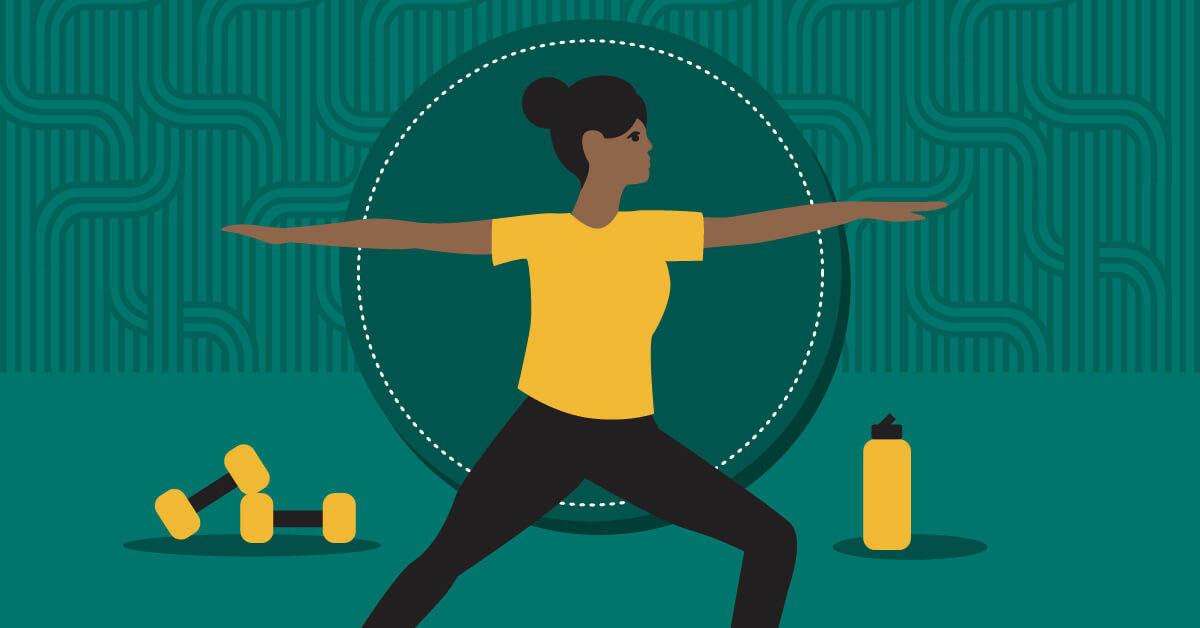
Physical activity is one of the best habits to replace smoking when you are stressed. Even small bursts of movement can change your mood fast. Try things like taking a brisk walk or going for a jog. Stretch or give yoga a try. If you have the time and space for it, a short workout at home can improve your mood and relieve stress as well.
Do those ideas sound boring? No problem! Have a little fun with your stress relief. Turn on some music and dance. Take your dog to the park or try get out in the yard and throw a ball around with a family member. Exercise releases endorphins, which help your body feel calmer and reduce withdrawal symptoms. When a craving hits, moving your body for even one or two minutes can reset your mind and give you something healthier to focus on.
Need a few more ideas? Check out these helpful ideas for managing stress without smoking.
Mindful Practices for Stress Management
When cravings hit, it’s not necessarily because the body is screaming out for nicotine. Something else could be going on. Cravings often start with strong emotions or triggers like stress and anxiety. Practicing the art of mindfulness is an effective way to battle stress and fight the urge to smoke. So, what is mindfulness exactly?
Stress and anxiety tend to build up over time. Before long, emotions can become overwhelming, making a cigarette seem like an easy way to put a band-aid on those feelings. Mindfulness can help interrupt this process, but it takes practice. Here are a couple of ways mindfulness can help reroute the brain when stress arises.
Self Check-Ins
Throughout the day, take a moment to check in and notice how you’re feeling. Stress, anger or other strong emotions can build up, while other moments may bring feelings of calm or happiness. Whatever the emotion, taking a moment to recognize it without judgment can help build awareness. Emotions are a normal part of being human.
When stress or difficult emotions arise, pausing for a couple of minutes to repeat positive sentences called affirmations can help. It might sound silly, but the words people say to themselves can have a meaningful effect on their wellbeing. Try pairing affirmations with one of the breathing exercises mentioned earlier.
Journal Prompts
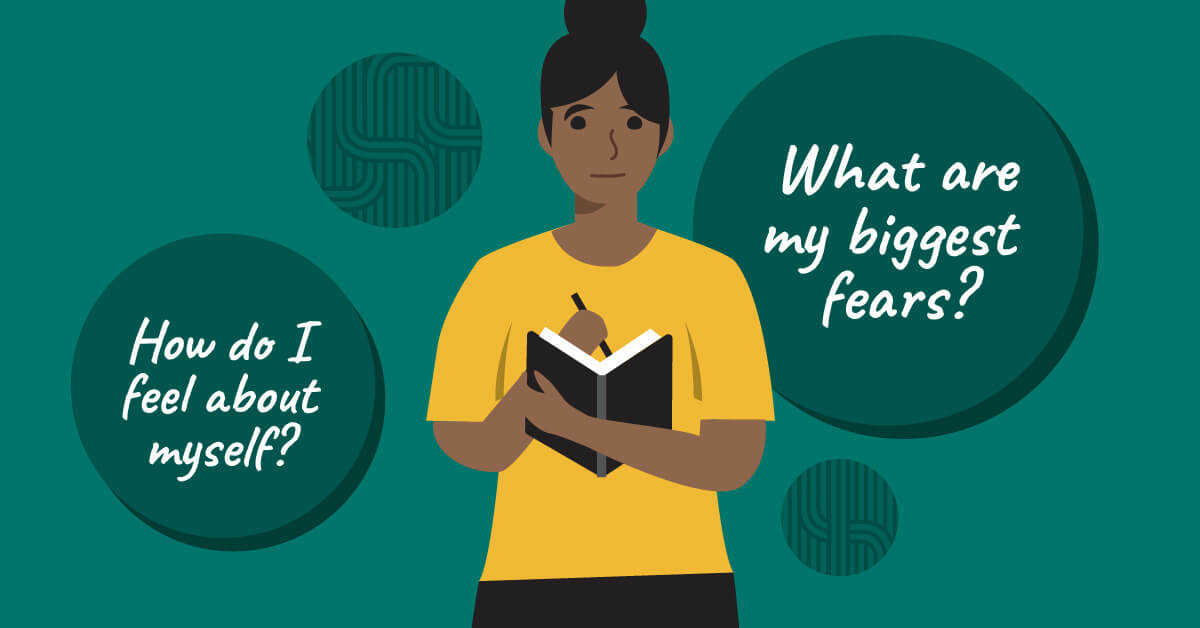
At its core, mindfulness is about being aware of thoughts, feelings, the body and the environment with a curious, nonjudgmental attitude. Journaling is a great way to build self-awareness by putting thoughts and feelings on paper. Journal prompts provide a starting point for exploring those thoughts and feelings. Grab some paper or a notebook and try one of these prompts each day for a week:
- What are five things to be grateful for?
- How do I feel about myself right now?
- I forgive myself for…
- I love myself because…
- To make myself healthier, I could start…
- I will stop telling myself…
- What are my biggest fears, and how do they hold me back?
Being aware of how the mind works can go a long way in managing stress and navigating the urge to smoke. Mindfulness habits take time to develop, but they can provide another way to pause and reflect rather than turning to smoking to cope with the ups and downs of the day. These simple techniques can also help build greater self-awareness and understanding.
Alternatives to Smoking for Stress Relief
Unfortunately, stress simply cannot be avoided. The ways stress is managed, however, can make a difference. Many people miss the routine and comfort of smoking as much as the nicotine itself, so finding alternatives can help fill that gap.
Instead of taking a smoke break during stressful moments, try one of these swaps:
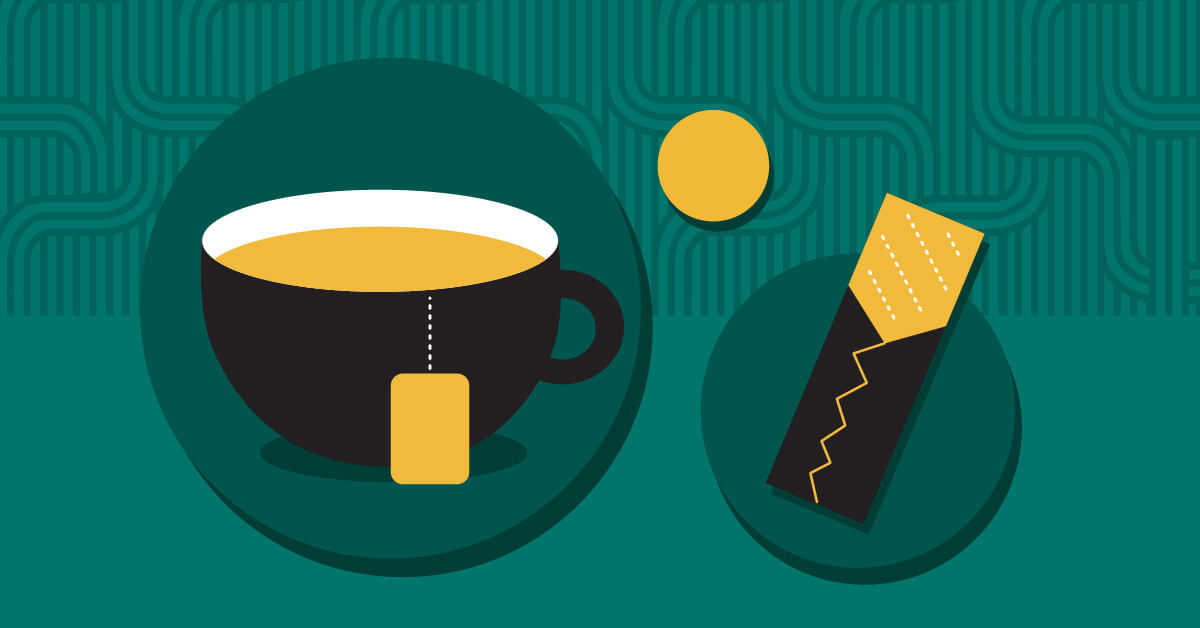
- Make a cup of chamomile or peppermint tea. The warmth and ritual can replace the pause a cigarette used to provide.
- Chew a piece of sugar-free gum or crunch on ice chips, carrots or sunflower seeds. The habit of chewing can provide a similar mouth and hand movement to smoking.
- Keep a fidget toy, stress ball or smooth stone nearby for moments when the hands need something to do.
- Pick up a simple hands-on hobby like sewing, drawing or coloring. These craving busters give the brain a new focus and a small sense of accomplishment.
- Splash cold water on the face or hold an ice cube for a few seconds. The quick sensation can interrupt a craving and redirect attention.
The goal is to manage cravings without cigarettes by giving the mind and body something else to focus on.
Finding What Works for You
Is it possible to live life completely free from stress? No, but it is very possible to handle that stress without smoking. The key is to find the strategies that work for you. Get active, take some time to practice mindfulness and build healthy habits into your day. Remember, you don’t have to do it alone.
- Find a smoke-free buddy to hold you accountable.
- Sign up for a FREE Coach from the Helpline.
- Surround yourself with people who will champion your decision to be smoke free.
- And most importantly, celebrate your successes!
There’s no one perfect way to rid yourself of cravings when you’re stressed. The key is to try a few strategies until you find what best fits your lifestyle and stress patterns. Make it a point to replace cigarettes with healthier options and fill your day with little routines that keep your mind and body moving in a healthy direction.
Support is available through the Oklahoma Tobacco Helpline, which offers free Coaching, text support and nicotine replacement therapy. Call 1-800-QUIT NOW, text READY to 21586 or click here to build a custom Quit Plan.